The NHS continues to face growing demand, workforce pressures and financial constraints. Yet alongside these system-wide challenges, healthcare professionals are spending significant amounts of time navigating administrative tasks, duplicated processes and technology issues.
To better understand the scale of these challenges, NHS SBS commissioned YouGov to survey more than 1,000 NHS staff across clinical and non-clinical roles.
The findings reveal a consistent message: NHS staff believe better-connected systems, standardised processes and improved operational efficiency could unlock valuable time, reduce pressure and improve patient care.
Key Findings
28%
More than a quarter of NHS staff say they spend more than 10 hours,
the equivalent of over a day a week, on administrative tasks.
67%
say more joined-up operational systems would have the biggest positive impact on their work.
51%
say inefficient processes contribute to increased stress or burnout.
22%
would use time saved to spend more time with patients and service users.
Futureproofing the NHS starts with
smarter systems and processes
While workforce pressures and rising demand remain significant challenges, the survey suggests there is considerable scope to improve efficiency by reducing administrative burden, eliminating duplication and creating more connected ways of working. By investing in joined-up systems, standardised processes and smarter operational support, NHS organisations can help free up valuable time, reduce pressure on staff and enable greater focus on patient care.
As the NHS looks to futureproof services for the years ahead, operational excellence must be considered alongside clinical innovation. The challenge is not simply to do more with less, but to make it easier for healthcare professionals to spend their time where it delivers the greatest value.
Protect staff time
Reduce unnecessary admin and duplication.
Modernise operational infrastructure
Use joined-up systems, common standards and automation.
Maximise value from public investment
Expand proven shared solutions whilst supporting local innovation
“These findings put numbers to something NHS staff have known
for a long time, too much of their week is spent working around systems
rather than delivering care.”
Richard Stubbs,
Chief Executive, Health Innovation Yorkshire & Humber
NHS staff spend significant time every week on administration and inefficient processes. For many NHS professionals, inefficient systems are not occasional frustrations. They are a routine part of the working week. The survey found that:
- 94% spend some time each week on administrative tasks.
- 84% spend more than one hour every week on administration.
- 92% spend time dealing with process inefficiencies or duplicated activity.
- 92% also spend time dealing with issues relating to IT systems.
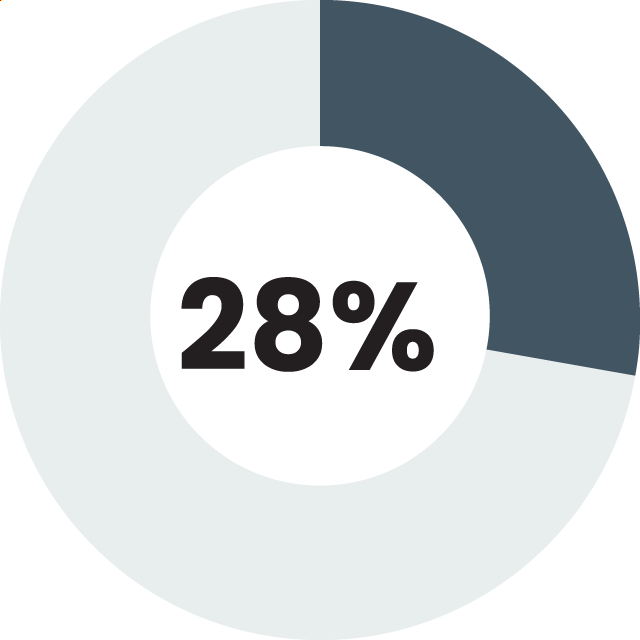
spend more than 10 hours per week on admin tasks alone.
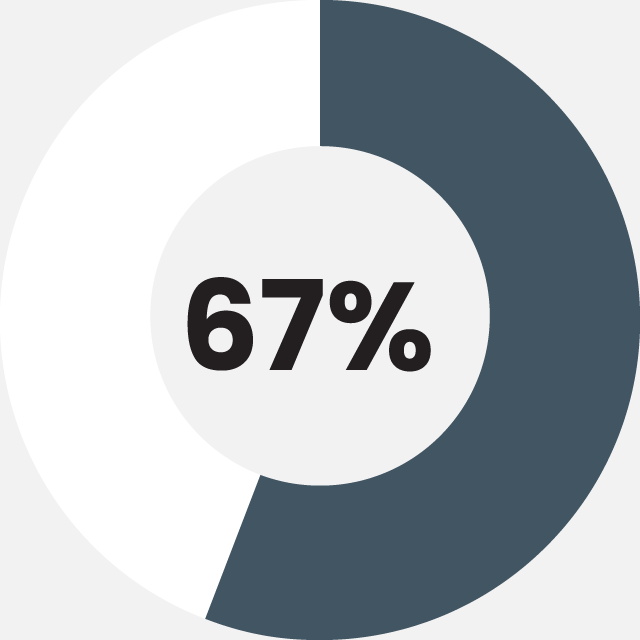
67% say more joined-up operational systems and processes across NHS teams and organisations would make the biggest positive difference.
NHS professionals are clear about what would make the biggest difference. When asked which changes would have the most positive impact on their day-to-day work, respondents consistently prioritised better-connected systems, greater standardisation and more reliable processes. The survey found that:
- 56% want greater standardisation of operational processes and systems across NHS services.
- 45% say more reliable operational systems and processes would improve their working day.
- 26% would like to see more automation of routine administrative tasks.
- 17% say better access to usable operational data and information would have a positive impact.
NHS staff are feeling the impact of inefficient systems and processes. The consequences of administrative burden, disconnected systems and duplicated activity extend far beyond lost time. NHS professionals report significant impacts on their wellbeing, productivity and ability to deliver care. The survey found that:
- 34% say they have less time to spend with patients or service users.
- 30% report staying late or working longer hours than contracted.
- 27% believe inefficiencies reduce the quality of their work.
- 25% say delays caused by inefficient processes impact decision-making.
- 20% have less time available for strategic work or professional development.
- 16% say inefficiencies reduce their flexibility to support colleagues.
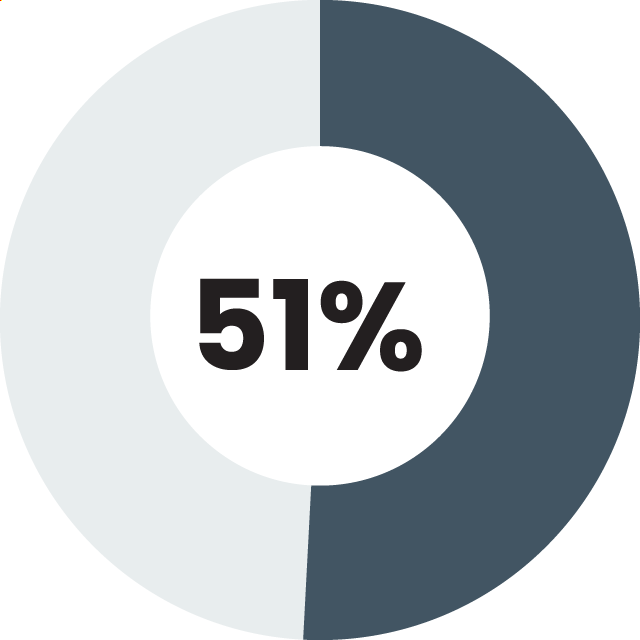
51% say inefficient systems and processes contribute to increased stress or burnout.
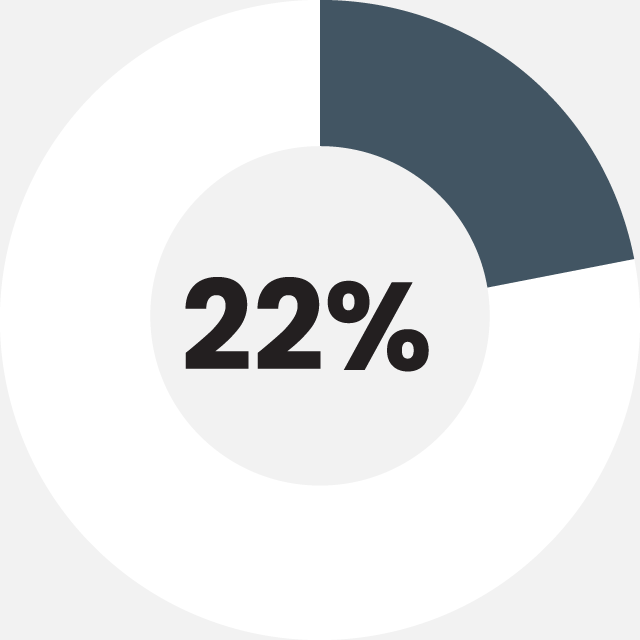
22% would spend more time with patients and service users.
Better systems and processes could help NHS staff spend more time where it matters most. When asked how they would use time saved through improved operational efficiency, respondents highlighted a desire to focus on delivering care, improving services and developing their skills. The survey found that:
- 29% would spend more time on their core role and professional responsibilities.
- 16% would focus on improving services or reducing backlogs.
- 11% would dedicate more time to training, development or improvement work.
- 9% would spend more time supporting colleagues and team working.
- 7% would use the time to reduce overtime and work more sustainable hours.
Improving productivity is not about staff needing to do more. It is about creating the right support, systems and tools that allow them to do their jobs more effectively.
Erika Bannerman,
Managing Director, NHS Shared Business Services
Explore the Futureproofing the NHS programme
Discover the research, expert insights and recommendations that emerged from our roundtable series. Explore the full analysis, thought leadership articles and resources examining the operational foundations needed to support innovation, productivity and long-term NHS reform.